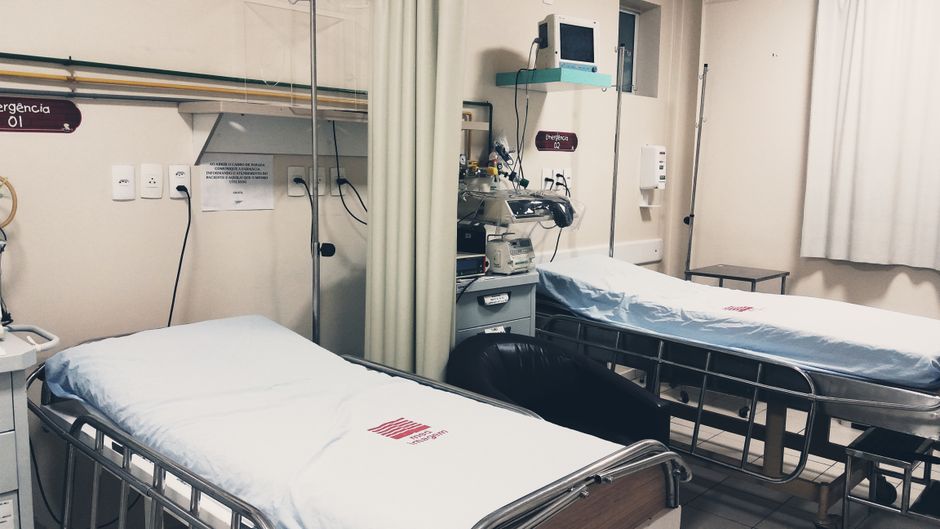
Emergency room fees Korea foreigners encounter often differ from those for domestic patients due to the absence of local public health insurance coverage. Medical facilities in the country classify patients into two main categories: those enrolled in the National Health Insurance Service (NHIS) and those categorized as private, self-pay patients. International travelers or medical tourists typically fall into the latter, meaning they are responsible for the full cost of medical services provided during an emergency visit.
Identifying Appropriate Care Facilities
Navigating the healthcare system requires distinguishing between local clinics and comprehensive medical centers. For non-life-threatening conditions, a smaller local clinic is often sufficient, but true emergencies require a facility equipped with a 24-hour trauma unit. You may research Best Hospitals to maintain a list of facilities that offer international support services. Many major urban centers maintain a dedicated department for global patients, which can facilitate smoother admission processes and ensure that staff can explain the billing structure clearly before intervention.
Consultation and Financial Estimates
The billing structure for urgent care generally includes a base registration fee, diagnostic testing costs, and the expense of specialized treatments or medications. Because international patients do not hold a resident registration number, the billing department must manually generate a private invoice. You should always request a detailed breakdown of these costs. If you are in the country for elective procedures such as Plastic Surgery or routine Dental care, your primary clinic may have an established protocol for directing you to an affiliated emergency partner.
| Service Category | Billing Consideration | Action for Patient |
|---|---|---|
| Base Registration | Standard administrative fee | Confirm identity at reception |
| Diagnostics | Variable based on equipment | Request itemized breakdown |
| Urgent Intervention | Calculated on a non-insured basis | Verify payment method acceptance |
| Professional Fees | Determined by specialist grade | Ask for estimated total range |
Visa and Logistical Preparation
Medical tourism logistics often involve securing appropriate travel documentation and finding reliable Travel assistance. If a medical emergency occurs, ensure that your travel insurance provider is notified as soon as possible, as they may have specific requirements for documentation to process a claim later. Keep your passport and any relevant medical visa documents in a secure, accessible location at all times during your stay.
Managing Treatment and Recovery
Following an emergency visit, you should obtain a medical certificate or a discharge summary translated into English. These documents are vital for insurance reimbursement and for your primary physician to review once you return home. Ensure that you establish a clear follow-up plan with the attending clinician before leaving the facility.
- Medical Documentation: Always request a formal medical record if you intend to seek reimbursement from an international insurer.
- Language Assistance: Utilize professional medical interpreters if you have complex health history needs to avoid diagnostic errors.
- Complaint Channels: If you believe there was a billing discrepancy, contact the patient relations department of the facility first.
- Government Oversight: Serious disputes regarding medical services can be reported through the Ministry of Health and Welfare (https://www.mohw.go.kr/eng) for guidance.
Official Resources and Oversight
The Korean Health Industry Development Institute (KHIDI, https://www.khidi.or.kr/eps) provides specific guidelines for international patients navigating the domestic medical environment. Their resources can help you understand the standard protocols for non-resident patients. As of the writing of this guide in 2026, it remains essential for all visitors to verify their insurance coverage limits before arriving in Korea. Always rely on government-backed portals for the most current regulations regarding international healthcare access.
자주 묻는 질문 (FAQ)
Are emergency room costs standard across all Korean hospitals?
No, costs vary by hospital level, the complexity of the diagnostic tests required, and the specific intervention provided to the patient.
Do hospitals accept international travel insurance for emergency visits?
Most facilities require upfront payment in full, after which they provide the necessary documentation for you to claim reimbursement from your insurer.
Where can I find a list of hospitals that assist international patients?
The Korea Health Industry Development Institute (KHIDI) provides information on authorized medical institutions for international visitors.
What should I bring with me to an emergency room?
You should carry your passport, any medical history records, a list of current medications, and information regarding your travel insurance policy.
How are medical disputes handled for foreign patients?
Patients should first engage with the hospital’s patient advocacy or relations office; further guidance is available through the Ministry of Health and Welfare.
Get in Touch
Have questions about your specific situation? Reach out anytime for a personal consultation.