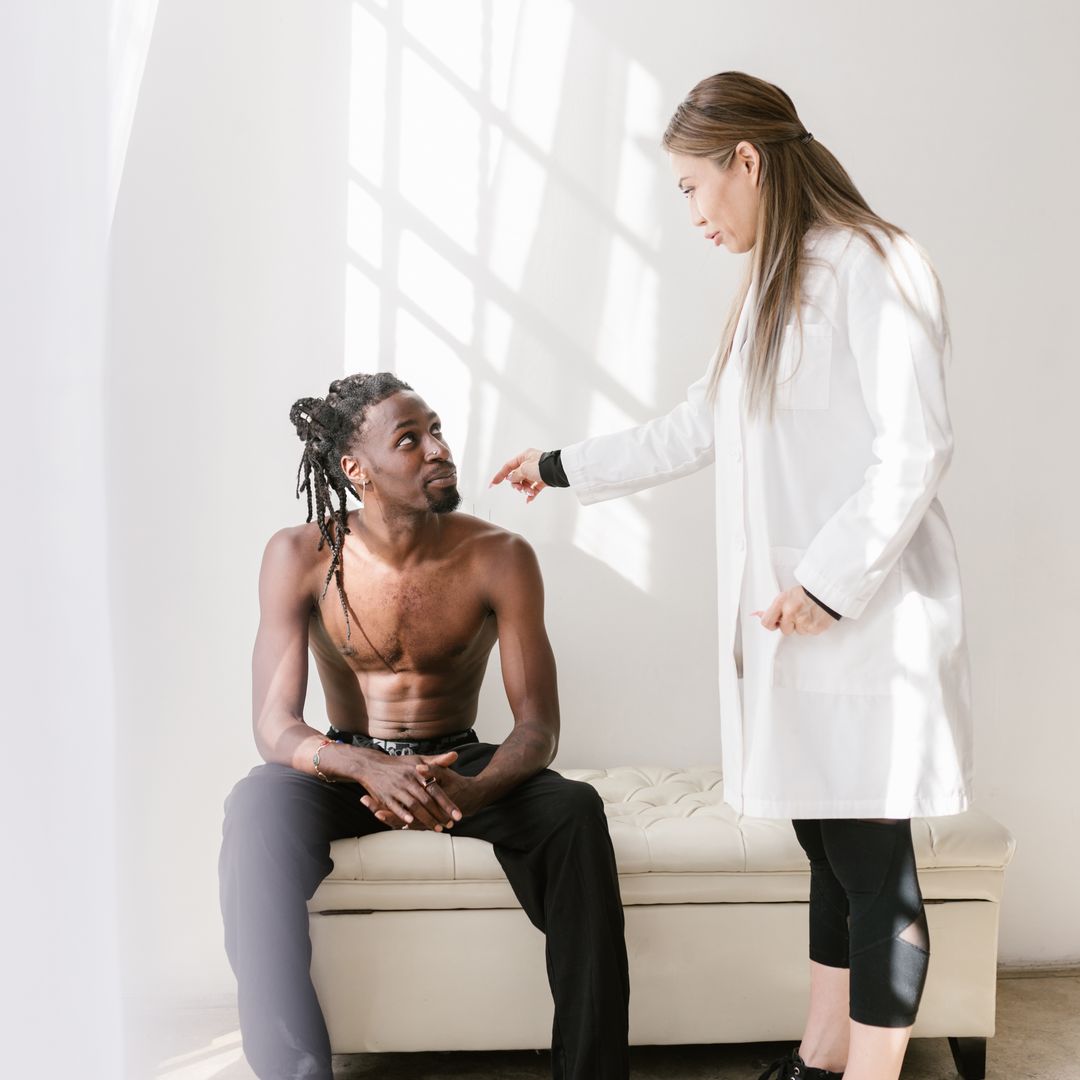
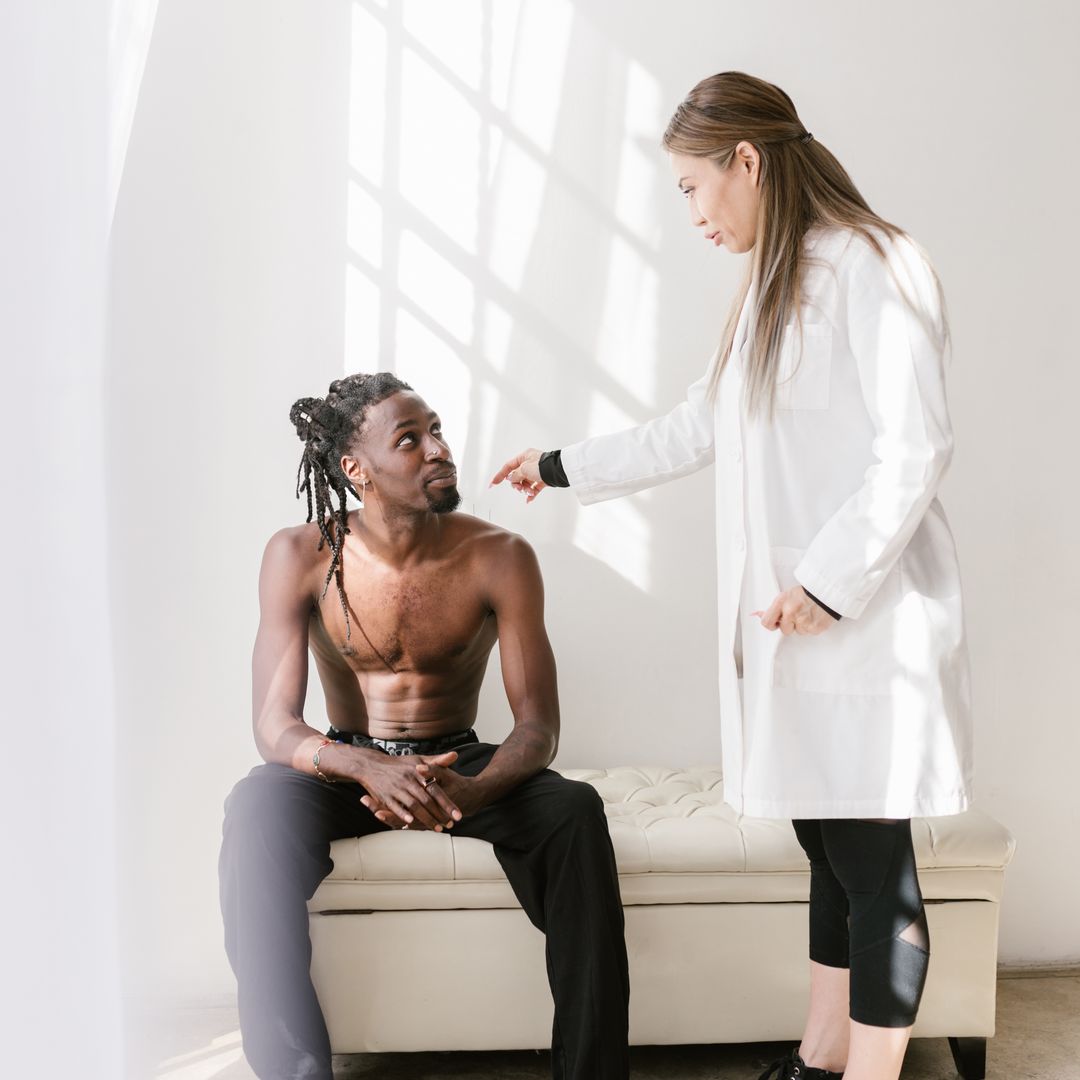
Evaluating Korean full body checkup prices and Clinical Offerings
Understanding Korean full body checkup prices requires looking past basic promotional rates to evaluate what diagnostic packages actually include. International patients frequently discover that advertised screening fees omit specialized imaging or advanced biomarker tests.
Comprehensive health evaluations in Seoul range from basic wellness screenings to extensive multi-day diagnostic assessments. Knowing how these tiers differ helps individuals select facilities that match their personal health requirements without paying for redundant tests.
This resource covers provider selection, cost breakdowns, travel logistics, and formal dispute channels for international medical travelers. Careful preparation ensures that diagnostic journeys proceed smoothly from the initial inquiry to the final report delivery.
Who Benefits from International Health Screenings in Seoul
Adults seeking proactive wellness assessments often choose South Korea for its advanced diagnostic imaging technology and structured hospital workflows. Individuals with specific family medical histories or those requiring multi-organ evaluations benefit from integrated screening centers.
Patients pursuing these services typically fall into distinct operational categories. Proper alignment with these profiles ensures that foreign visitors receive appropriate clinical pathways.
- Executive wellness seekers: Professionals requiring rapid, high-volume diagnostic reporting within a tight travel window.
- Preventive care patients: Individuals looking for early detection markers for cardiovascular, oncological, and metabolic conditions.
- Post-treatment monitors: Patients returning for routine surveillance scans following previous medical interventions.
Verifying Hospital Accreditation and Clinical Standards
Selecting a verified medical institution protects foreign patients from substandard care and uncertified provider networks. Authorized facilities in Korea maintain strict government oversight and international quality certifications.
Patients should confirm credentials through official regulatory bodies before wiring deposits or booking flights. Reviewing institutional backgrounds prevents complications during diagnostic appointments.
- Ministry oversight: Confirming registration with the Ministry of Health and Welfare (https://www.mohw.go.kr/eng) for legal compliance.
- Institutional accreditation: Checking for Joint Commission International status or local government-certified hospital designations.
- Specialist verification: Ensuring attending physicians hold board certifications in radiology, internal medicine, or preventive care.
Patients exploring advanced procedures beyond diagnostics may also review options for Plastic Surgery to understand parallel clinical standards across different specialties.
Consultation Procedures and Cost Transparency
Initial remote consultations allow screening centers to evaluate patient medical history and recommend appropriate testing tiers. Transparent cost estimates should itemize consultation fees, diagnostic imaging, laboratory tests, and interpretation services.
Hidden fees often arise from optional add-on tests recommended on the day of the examination. Establishing a fixed cost agreement in writing minimizes unexpected financial surprises upon arrival.
| Screening Tier | Core Inclusions | Estimated Cost Range (USD) |
|---|---|---|
| Basic Wellness | Blood panels, basic ultrasound, chest X-ray | $600 – $1,200 |
| Advanced Executive | MRI, CT scans, endoscopy, tumor markers | $2,000 – $4,500 |
| Comprehensive Elite | Full-body MRI, PET-CT, specialized cardiology | $5,000 – $9,000+ |
For individuals seeking advanced clinical infrastructure, researching Best Hospitals provides additional context regarding diagnostic capabilities and facility grading.
Visa Requirements, Travel, and Interpretation Logistics
Navigating travel arrangements requires attention to medical documentation and entry permits. Patients should secure official treatment invitation letters from their chosen facility to support entry procedures.
Coordinating linguistic support ensures accurate communication during complex diagnostic procedures and physician debriefings. Professional medical interpreters prevent misunderstandings regarding pre-test fasting rules and medical histories.
- Entry documentation: Securing the correct Medical Visa classification based on total expected stay duration.
- Linguistic assistance: Booking certified medical coordinators for intake interviews and final result consultations.
- Local transit: Arranging hospital-affiliated transport to minimize navigation stress in unfamiliar urban areas.
Broader health and wellness preparation tips are regularly updated on platforms like K-Health 365 for travelers managing multi-step itineraries.
Treatment Logistics, Recovery, and Follow-Up
Diagnostic health screenings typically require specific pre-test preparations, including dietary restrictions and medication holds. Strict adherence to these instructions ensures accurate imaging and laboratory results.
Following the examination, patients usually wait several days for translated reports to be finalized. Structured follow-up consultations allow physicians to explain findings and recommend lifestyle adjustments or secondary referrals.
Foreign patients must plan their departure schedules around final report delivery timelines. Receiving digital copies securely can facilitate ongoing communication with domestic physicians back home.
Financial Protection, Consents, and Dispute Channels
Reviewing formal consent forms ensures patients understand the scope and limitations of diagnostic screening procedures. Clear documentation protects both the traveler and the clinical provider.
If financial disputes or service disagreements arise, international patients have access to official mediation channels. KHIDI (https://www.khidi.or.kr/eps) provides guidance and support structures for resolving grievances related to medical tourism services.
Familiarity with local consumer protection laws empowers patients to seek fair resolutions through proper administrative pathways. Maintaining organized records of all financial transactions supports any required formal inquiry.
Official Sources and Verification Summary
All administrative frameworks and clinical guidelines reference institutional data provided by South Korean regulatory authorities. Regular cross-referencing ensures compliance with evolving international patient regulations.
Primary regulatory references include the Ministry of Health and Welfare (https://www.mohw.go.kr/eng) and KHIDI (https://www.khidi.or.kr/eps). Data points and institutional standards reflect current operational guidelines as of the article’s writing in 2026.
자주 묻는 질문 (FAQ)
Are medical checkup prices in Korea standardized across all hospitals?
No, pricing varies significantly based on hospital accreditation, equipment advancement, and the specific diagnostic tests included in the package. Private health screening centers often set independent fee schedules.
How long does a comprehensive full body checkup take in Seoul?
Most advanced screenings require between four to eight hours of testing over a single day, though elite multi-organ evaluations may span two separate appointment sessions.
Can I receive my screening results in English?
Accredited international health centers routinely provide translated diagnostic reports and offer English-speaking medical coordinators during physician consultations.
What should I do if there is a billing dispute with the hospital?
Patients should first request an itemized receipt from the hospital administration office. Unresolved grievances can be directed to official support channels such as KHIDI (https://www.khidi.or.kr/eps) for formal mediation assistance.
Do I need a specialized medical visa for a health checkup?
Short-term diagnostic visits often fall under standard tourist entry permissions depending on nationality, but longer stays or therapeutic follow-ups may require specific medical visa documentation.
Get in Touch
Have questions about your specific situation? Reach out anytime for a personal consultation.