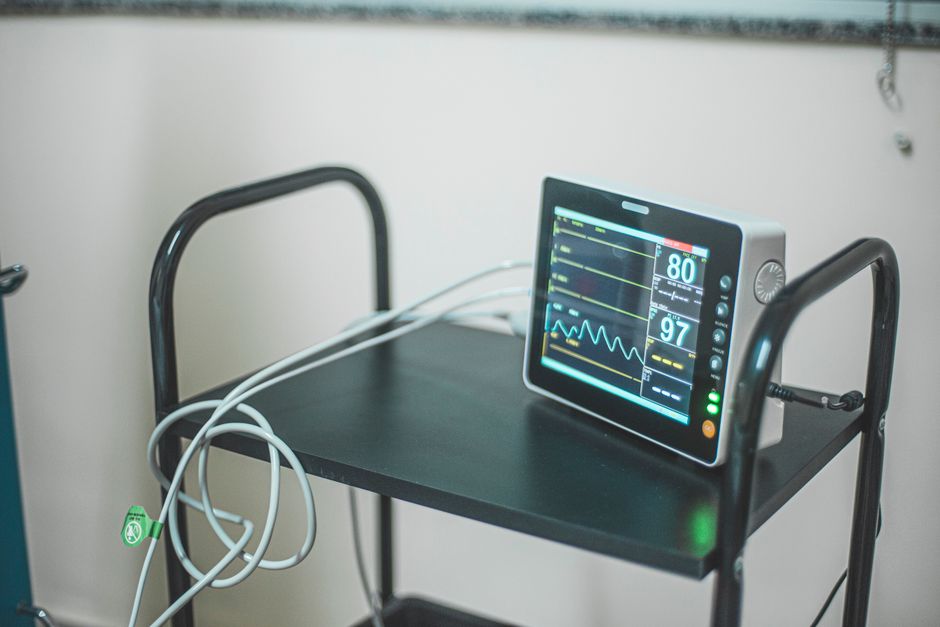
Navigating the Complexities of Cardiac Checkup Korea Price for International Patients
In an increasingly health-conscious world, prioritizing cardiovascular well-being is paramount, and understanding the true value of a comprehensive heart assessment is crucial. Many individuals seek advanced medical care abroad, and for good reason, as medical tourism destinations like South Korea offer cutting-edge diagnostics and expert clinical services. When considering a cardiac checkup Korea price, it is essential to look beyond the initial figure and appreciate the extensive benefits.
South Korea has rapidly emerged as a global leader in medical innovation, particularly in preventive medicine and specialized diagnostics. The nation’s commitment to technological advancement and highly skilled medical professionals ensures that patients receive world-class care, often at a more competitive cost than in Western countries.
Why Korea is a Premier Destination for Cardiovascular Screening
Korea’s healthcare system is renowned for its efficiency, advanced technology, and patient-centered approach. These elements combine to create an optimal environment for specialized medical examinations, including comprehensive heart assessments.
- State-of-the-art diagnostic equipment: Korean hospitals invest heavily in the latest imaging and laboratory technologies, providing highly accurate and detailed results for cardiovascular evaluation.
- Highly skilled cardiologists and specialists: The country boasts a significant number of board-certified cardiologists with extensive experience in diagnosing and managing complex heart conditions.
- Efficient, patient-centric healthcare system: Patients often experience shorter wait times and streamlined processes, enhancing their overall medical tourism experience.
- Strong focus on preventive medicine: There is a national emphasis on early detection and lifestyle modification to prevent the onset or progression of chronic diseases, including heart conditions.
Understanding the Components of a Comprehensive Cardiac Examination
A thorough heart health screening goes far beyond a simple blood pressure check. It involves a series of diagnostic tests designed to evaluate various aspects of cardiac function and structure, providing a holistic view of an individual’s cardiovascular risk profile.
Core Diagnostic Procedures and Their Clinical Significance
As a medical doctor, I emphasize that each test in a cardiac assessment package serves a specific purpose, contributing to a comprehensive understanding of heart health. The integration of these results allows for accurate diagnosis and personalized risk stratification.
- Electrocardiogram (ECG/EKG): This fundamental test measures the electrical activity of the heart. It can detect arrhythmias (irregular heartbeats), signs of past heart attacks, and other electrical abnormalities that might indicate underlying cardiac issues.
- Echocardiogram: An ultrasound of the heart, an echocardiogram provides real-time images of the heart’s chambers, valves, and major blood vessels. It is crucial for assessing valvular function, ventricular wall motion, and ejection fraction, which are early indicators of conditions like cardiomyopathy or heart failure.
- Treadmill Stress Test (Exercise ECG): This test monitors the heart’s response to physical exertion. By observing changes in ECG patterns and blood pressure during exercise, cardiologists can identify signs of coronary artery disease (CAD), where blockages may restrict blood flow during increased demand.
- Blood Tests: A comprehensive lipid panel (total cholesterol, LDL, HDL, triglycerides), high-sensitivity C-reactive protein (hs-CRP), and glucose levels are vital. For instance, an LDL cholesterol level consistently above 100 mg/dL (American Heart Association) significantly increases atherosclerotic risk, while elevated hs-CRP can indicate systemic inflammation associated with CAD.
- Cardiac CT Angiography (CCTA): A more advanced imaging technique, CCTA uses X-rays to create detailed images of the coronary arteries. It can non-invasively detect plaque buildup and stenosis (narrowing) in the arteries, which are direct markers of CAD. This procedure provides granular anatomical detail, aiding in the early identification of potential blockages before symptoms manifest.
The combination of these tests provides a robust dataset. A cardiologist integrates ECG findings with blood lipid profiles and stress test results to formulate a personalized risk assessment, often recommending lifestyle modifications or targeted interventions based on the composite picture, not just isolated numbers.
Deciphering the Cardiac Checkup Korea Price Structure: What to Expect
The cost of a cardiac screening in South Korea can vary significantly based on the chosen hospital, the comprehensiveness of the package, and the specific diagnostic technologies employed. It is important to understand these variables to make an informed decision about your heart health investment.
Factors Influencing Heart Screening Costs
Several elements contribute to the overall cost of a heart health assessment in Korea. Understanding these can help you choose the most suitable package for your needs and budget.
- Hospital Tier: University hospitals and large tertiary medical centers, such as those often found among the Best Hospitals in Korea, may have higher fees due to their reputation, extensive facilities, and specialized staff compared to smaller private clinics.
- Scope of Tests: Basic checkups will be less expensive than advanced packages that include more sophisticated imaging, like Cardiac CT Angiography or even Cardiac MRI, which offer greater diagnostic detail.
- Specialist Consultation Fees: Consultations with highly experienced or renowned cardiologists can sometimes incur additional charges.
- Imaging Technology Used: The generation and brand of MRI or CT scanners can influence pricing, with newer, more advanced machines often reflecting higher costs.
- Interpretive Services: For international patients, the availability of medical interpreters and dedicated international patient services can be included in the package or billed separately.
Here is an illustrative comparison of basic versus advanced cardiac screening packages in Korea:
| Service/Package Type | Estimated Price Range (USD) | Key Inclusions |
|---|---|---|
| Basic Cardiac Screening | $400 – $800 | Physical Exam, Blood Tests (Lipid Panel, Glucose), ECG, Chest X-ray, Basic Doctor Consultation. |
| Standard Cardiac Checkup | $800 – $1,500 | Basic Screening + Echocardiogram, Treadmill Stress Test, Advanced Blood Markers (hs-CRP, Troponin). |
| Comprehensive Cardiac Health Assessment | $1,500 – $3,000 | Standard Checkup + Cardiac CT Angiography (CCTA) or Cardiac MRI, Extended Specialist Consultation. |
| Executive Cardiac Wellness Program | $3,000 – $5,000+ | Comprehensive Assessment + Genetic Screening, Advanced Cardiovascular Risk Profiling, Personalized Lifestyle Coaching. |
While these figures provide a general idea, actual costs can fluctuate. Korea offers highly competitive pricing for these services. For example, a comprehensive cardiac evaluation package in Korea, inclusive of advanced imaging like CCTA, might range from $1,500 to $3,000, which is often 30-50% less expensive than comparable services in the United States or parts of Western Europe, without compromising quality (OECD, 2023).
Beyond the Initial Cost: The Value of Early Detection
Investing in a comprehensive cardiac checkup in Korea is not merely an expense; it is a strategic investment in long-term health and well-being. Cardiovascular diseases (CVDs) remain the leading cause of death globally, accounting for approximately 32% of all global deaths (WHO, 2021). Early detection can be life-saving and significantly reduce future treatment burdens.
Identifying risk factors or early signs of heart disease through a thorough screening allows for timely interventions, such as lifestyle modifications, medication, or minimally invasive procedures. This proactive approach can prevent the progression to severe conditions like myocardial infarction, stroke, or heart failure, which entail far greater financial and personal costs. Studies suggest that effective preventive strategies and early detection can reduce future treatment costs by up to 30-40% over a decade (Ministry of Health and Welfare, Korea).
Navigating Your Medical Journey: Practical Tips
To ensure a smooth and beneficial medical tourism experience for your heart examination, consider these practical tips:
- Research reputable hospitals: Look for institutions with strong cardiology departments and international patient services. Websites like koreamedicaltour.com can be a good starting point.
- Compare package details and inclusions: Ensure the package you choose aligns with your health concerns and budget. Pay attention to what specific tests are covered.
- Inquire about interpreter services: Language barriers can be a concern, so confirm the availability of professional medical interpreters for your consultations and procedures.
- Consider a medical tourism facilitator: These agencies can assist with appointments, travel, accommodation, and understanding the Medical Tourism Cost Guide more broadly.
- Plan for post-checkup consultations: Discuss how you will receive and interpret your results, and whether follow-up consultations can be done remotely or require another visit.
The Future of Cardiac Care and Medical Tourism in Korea
South Korea continues to push the boundaries of medical innovation, integrating advanced technologies like artificial intelligence (AI) and precision medicine into diagnostic processes. This ensures that heart health screenings are not only comprehensive but also increasingly personalized and accurate. Developments in K-Health 365 highlight the nation’s commitment to holistic well-being.
The nation’s investment in healthcare infrastructure and research is robust, with the Korea Health Industry Development Institute (KHIDI) reporting a consistent increase in medical R&D expenditure. This fosters an environment where international patients, including the over 600,000 who visited Korea in 2019 for medical purposes (KHIDI, 2020), can access leading-edge treatments and preventive services.
Beyond specialized cardiac screenings, Korea offers a wide spectrum of health and wellness services, from advanced Dental Treatment Korea to world-renowned Korea K-Beauty procedures. Investing in a cardiac checkup in Korea is investing in peace of mind and potentially a longer, healthier life, capitalizing on the synergy of medical excellence and value.
자주 묻는 질문 (FAQ)
What is typically included in a basic cardiac checkup in Korea?
A basic cardiac checkup in Korea usually includes a physical examination, standard blood tests such as a lipid panel and glucose levels, an Electrocardiogram (ECG), and a chest X-ray, along with a consultation with a general practitioner.
How does the cardiac checkup Korea price compare to other countries?
The cardiac checkup Korea price is often more competitive than in many Western countries, particularly for comprehensive packages involving advanced imaging. For comparable quality and technology, costs can be 30-50% lower than in the United States.
Are interpreter services available for international patients undergoing a heart checkup in Korea?
Yes, most major hospitals and medical tourism facilitators in Korea offer professional medical interpreter services for international patients to ensure clear communication throughout their cardiac checkup process.
Get in Touch
Have questions about your specific situation? Reach out anytime for a personal consultation.
Email: huh0303@gmail.com
관련 글: Top 10 Plastic Surgery Procedures Foreigners Receive Most in Korea and the Actual Cost Structure Real Breakdown Guide | Analysis of the Total Cost Composition for Foreigners Receiving Treatment in Korea Complete Cost Breakdown Guide | Comparison of Implant Costs by Country and Analysis of Treatment Duration Differences Full Insight Guide