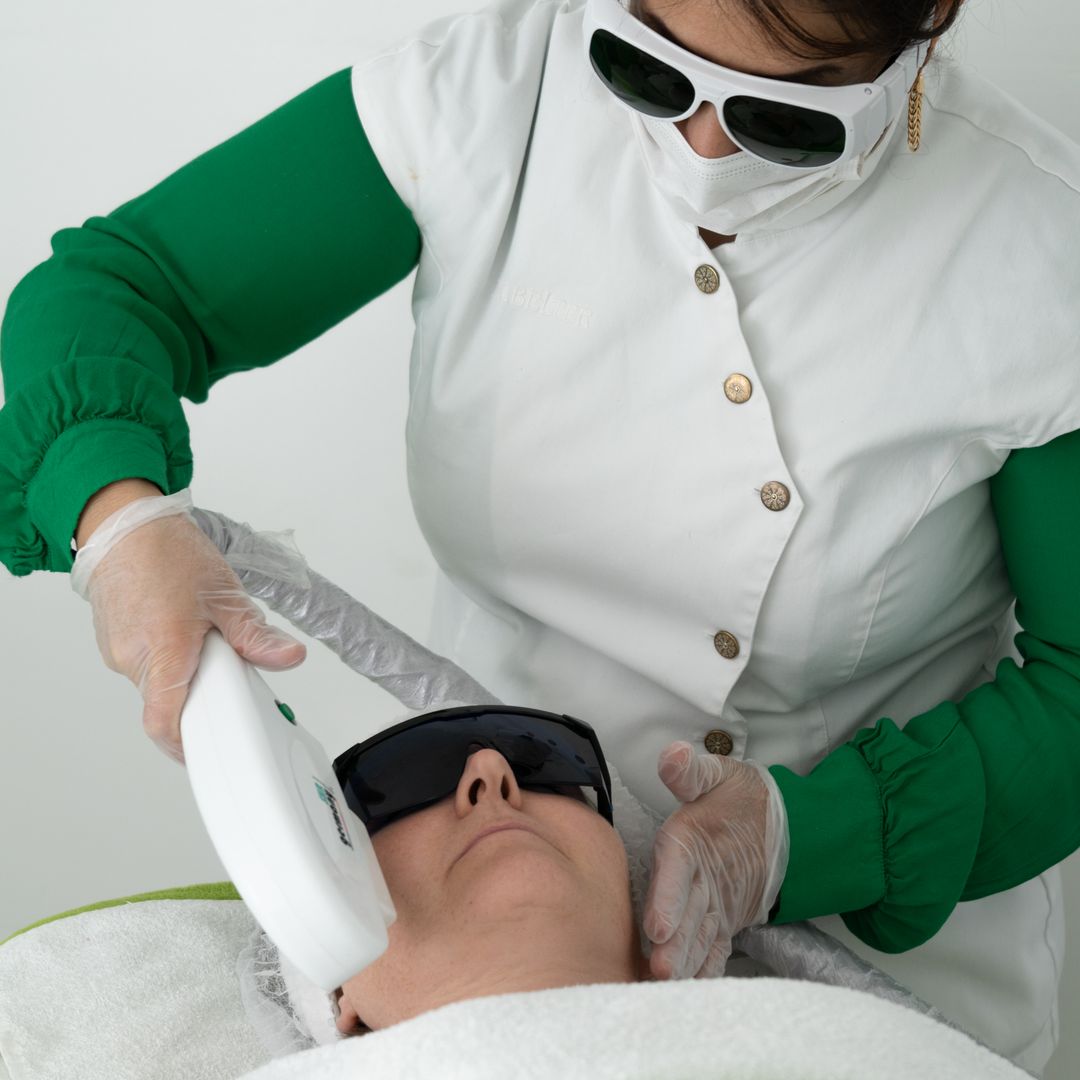
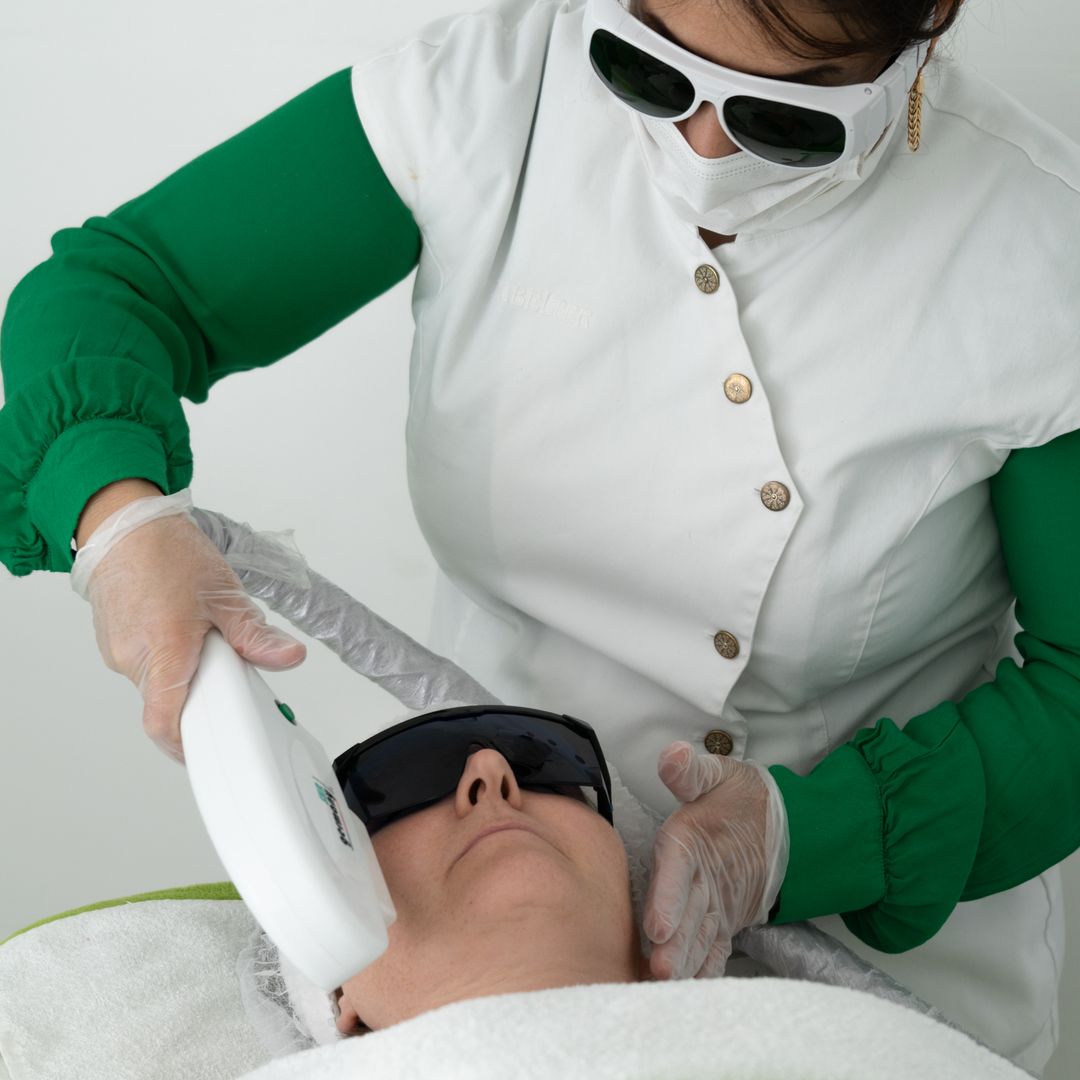
Pico laser skin rejuvenation utilizes ultra-short pulse durations to target pigmentation and stimulate collagen production with minimal thermal damage to surrounding tissue. International patients seeking these dermatological procedures in South Korea must align clinical expectations with the logistical demands of cross-border medical travel. This pathway encompasses hospital selection, regulatory compliance, and post-procedural recovery management.
Medical tourism in Korea is supported by a structured framework designed to ensure patient safety and transparent care. Prospective patients should prioritize facilities registered with the Ministry of Health and Welfare (https://www.mohw.go.kr/eng), which maintains oversight of medical institutions authorized to treat international clients. Utilizing the Korea Health Industry Development Institute (https://www.khidi.or.kr/eps) portal allows individuals to verify the accreditation status and history of specific clinics before committing to a treatment plan.
The preliminary phase involves remote consultation to determine the suitability of the skin for laser treatment. Clinics typically request high-resolution photographs to assess skin type, existing conditions, and expected outcomes. During this stage, patients should request a detailed cost breakdown that explicitly covers the procedure, follow-up consultations, and necessary topical recovery products.
- Clinical Assessment: Evaluation of skin history and pigment concerns by a board-certified dermatologist.
- Treatment Plan: Determination of the number of sessions required, as laser rejuvenation often necessitates multiple visits for optimal results.
- Financial Transparency: Written estimates should distinguish between the base procedure fee and additional costs for consumables or post-treatment care.
Travel logistics require careful synchronization with the clinical schedule. International patients often explore options for Travel to coordinate flights with pre-operative availability. Depending on the length of stay and the complexity of the procedures—which may sometimes be combined with minor Plastic Surgery—one must ensure the correct Medical Visa is obtained to remain compliant with Korean immigration laws. If the patient is also seeking Dental care, these should be scheduled to allow for adequate healing time between non-overlapping treatments.
| Stage | Primary Focus | Administrative Requirement |
|---|---|---|
| Preparation | Provider selection | Verification via KHIDI records |
| Consultation | Clinical goal setting | Written estimate and consent |
| Arrival | Logistics and interpretation | Visa validation |
| Treatment | Procedure execution | Post-care instructions |
| Recovery | Healing and follow-up | Feedback and complaint channels |
Effective recovery requires adherence to strict dermatological protocols, such as avoiding direct sun exposure and using recommended soothing agents. Most clinics provide an interpreter for the initial consultation and discharge process to ensure that the patient understands the aftercare requirements. Should a discrepancy occur regarding the service received or the costs incurred, patients are encouraged to utilize the official complaint channels provided by the medical institution. In instances where a resolution is not met, the Ministry of Health and Welfare offers support mechanisms for international patient grievances.
Professional oversight remains the cornerstone of any medical journey. By selecting clinics that adhere to established health standards, patients manage the risks inherent in aesthetic procedures. All medical decisions should be made in consultation with a qualified clinician rather than relying on promotional materials. As of the article’s writing, these standards are consistent with the regulatory environment maintained by the Korean government.
자주 묻는 질문 (FAQ)
How many sessions of laser treatment are typically required?
The number of sessions varies by individual skin condition and goals; a dermatologist will provide a specific recommendation after a professional assessment.
Are there risks associated with laser skin procedures?
As with any dermatological intervention, risks include temporary redness, swelling, or pigmentation changes; consult your clinician regarding your medical history.
How can I verify if a clinic is legally allowed to treat international patients?
You can search for registered medical institutions on the official Korea Health Industry Development Institute (KHIDI) website.
Do I need a specific visa for a short skin treatment visit?
Visa requirements depend on your nationality and the duration of your stay; verify your status through the nearest Korean embassy or consulate.
Where can I report a problem if I am dissatisfied with the care?
You should first raise concerns through the hospital’s internal feedback system; if unresolved, utilize the official channels provided by the Ministry of Health and Welfare.
Get in Touch
Have questions about your specific situation? Reach out anytime for a personal consultation.