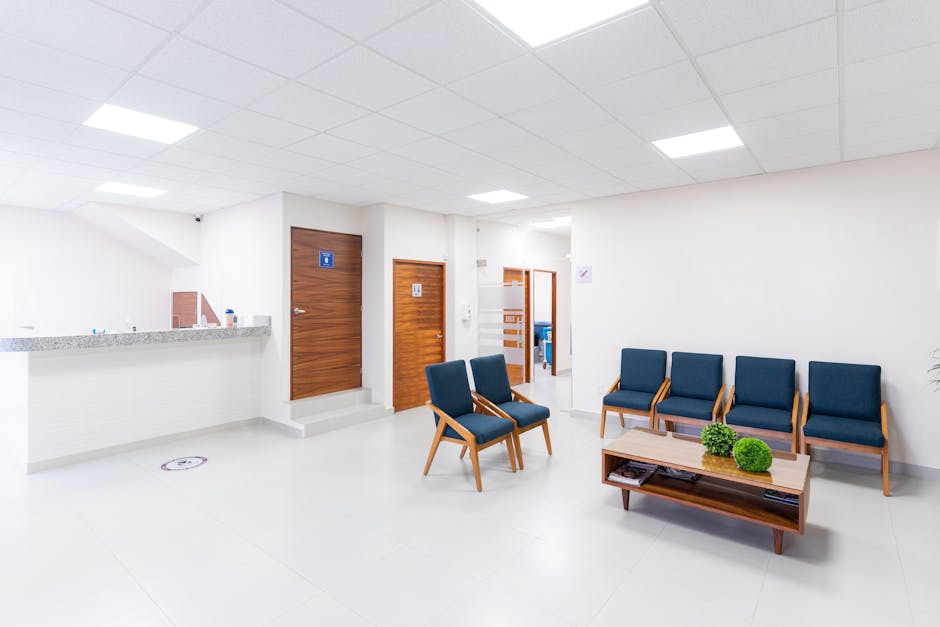
When considering medical treatment abroad, identifying reputable and accredited facilities is a primary concern. For those looking towards South Korea, understanding how to locate hospitals officially recognized for international patient care can streamline the planning process and enhance confidence in the chosen medical provider.
Understanding Official Accreditation for International Patients
South Korea’s healthcare system has a robust framework, and specific government-affiliated organizations play a role in promoting medical tourism. The Korea Health Industry Development Institute (KHIDI) is one such entity, supporting the global healthcare industry and working to ensure foreign patients receive safe and high-quality services (https://www.khidi.or.kr/eps). Medical Korea, an initiative supported by the Ministry of Health and Welfare, also serves as a central portal for information on Korean medical services and institutions (https://www.medicalkorea.or.kr/en/index). These platforms are key resources for verifying a hospital’s standing.
Using the Medical Korea Portal to Find Hospitals
The Medical Korea website offers a ‘Detailed Search’ function for medical institutions. This tool allows users to filter hospitals based on various criteria, including medical specialty and location (https://www.medicalkorea.or.kr/en/index). For example, if a patient is seeking dermatology services in Seoul, they can specify these parameters to generate a list of relevant hospitals. The portal also provides statistics on the most visited medical departments by foreign patients, with dermatology, integrative internal medicine, and plastic surgery being among the top categories (https://www.medicalkorea.or.kr/en/index). This information can offer insights into areas where Korean hospitals have significant experience with international visitors.
What to Look for in a Hospital Listing
When reviewing hospital listings on official portals, consider several factors beyond just the medical specialty. Look for indications of interpreter services, which are crucial for effective communication during consultations and treatment. While the Medical Korea site lists ‘Interpretation ETC’ for some hospitals, confirming the specific languages offered directly with the institution is advisable. Additionally, some listings may include direct links to the hospital’s English website, providing more detailed information about their international patient services. For instance, hospitals like Asan Medical Center and Ajou University Hospital are listed with their English website URLs, indicating their readiness for international patients (https://www.medicalkorea.or.kr/en/index).
Hypothetical Example: Finding a Hospital for Orthopedics
Imagine a patient, ‘Maria,’ needs orthopedic treatment and prefers a hospital in Gyeonggi-do. Maria would navigate to the ‘Detailed Search’ on the Medical Korea website. She would select ‘Orthopedics’ under ‘Medical Speciality’ and ‘Gyeonggi-do’ under ‘Location.’ The search results might include hospitals like Ansan 21st Century Hospital, which is listed with Orthopedics as a specialty (https://www.medicalkorea.or.kr/en/index). Maria could then visit the hospital’s provided website or contact them directly to inquire about specific orthopedic procedures, available interpreters, and international patient coordination services. This systematic approach helps narrow down choices to officially recognized institutions.
Practical Takeaways and Decision Checklist
- Utilize Official Portals: Start your search on Medical Korea (https://www.medicalkorea.or.kr/en/index) and be aware of KHIDI’s role (https://www.khidi.or.kr/eps).
- Filter by Specialty and Location: Use the ‘Detailed Search’ to find hospitals matching your specific medical needs and preferred region.
- Check for Interpreter Services: While some listings note ‘Interpretation ETC,’ always verify specific language availability directly with the hospital.
- Review Hospital Websites: Follow provided links to hospital English sites for more in-depth information on international patient services.
- Consider Patient Statistics: The ‘Most Visited Medical Department’ data can indicate areas of high international patient volume and experience.
By following these steps, international patients can confidently identify and select accredited Korean medical institutions that are equipped to provide quality care.