Navigating healthcare in a foreign country can be daunting, especially when language barriers exist. For international patients seeking world-class medical treatment, finding a **Korean hospital English speaking** team is paramount for a smooth, stress-free experience. South Korea, a global leader in medical tourism, welcomed over 200,000 international patients in 2023, with many seeking specialized care. This guide ensures you connect with the best English-friendly medical services.
Table of Contents
- Why English-Speaking Care Matters in Korea
- Finding a Korean Hospital English Speaking Team: Your Best Resources
- Top Medical Specialties & Hospitals for International Patients
- Navigating Your Medical Journey: Pre-Arrival to Post-Treatment
- Expert Tips for a Smooth Experience
- Cost Considerations and Insurance for International Patients
- FAQ Section
Why English-Speaking Care Matters in Korea
Effective communication is the cornerstone of quality healthcare. When seeking medical treatment abroad, understanding your diagnosis, treatment options, and post-operative care is crucial for patient safety and satisfaction.
Bridging the Communication Gap
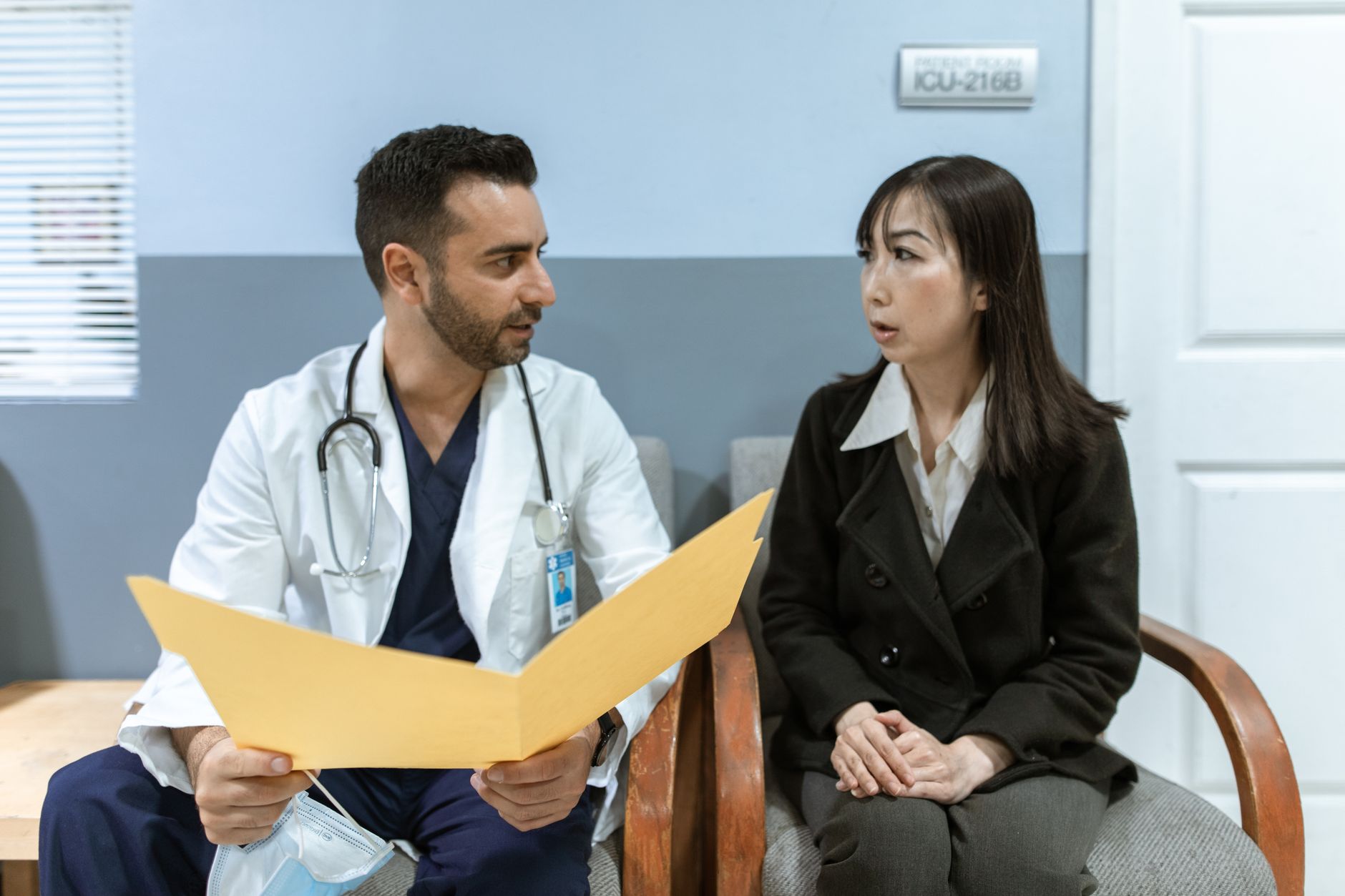
Miscommunication can lead to anxiety, errors, and suboptimal outcomes. An English-speaking medical team ensures you fully comprehend every step, from initial consultation to recovery. This clarity builds trust and reduces stress for patients and their families.
Enhancing Patient Safety and Comfort
A 2020 study published by the WHO emphasized that effective communication significantly reduces adverse events in healthcare settings. **Korean hospital English speaking** staff provide comfort, ensuring your concerns are heard and addressed promptly. This is especially vital for complex procedures like cosmetic surgery Korea safety tips.

Finding a **Korean Hospital English Speaking** Team: Your Best Resources
Korea’s medical tourism infrastructure is designed to assist international patients. Several resources facilitate finding English-speaking medical professionals.
International Healthcare Centers
Many major hospitals in Seoul and other cities have dedicated International Healthcare Centers (IHCs). These centers employ **multilingual coordinators** and doctors, offering seamless services from appointments to billing. They are equipped to handle diverse cultural needs.
Online Platforms and Agencies
Specialized medical tourism agencies and online platforms are invaluable. They partner with top Korean hospitals, providing comprehensive packages including consultations with English-speaking doctors, translation services, and accommodation. Korean hospital English speaking services are a core offering.
Top Medical Specialties & Hospitals for International Patients
South Korea excels in various medical fields. Knowing which hospitals specialize in your desired treatment, with strong English support, is key.
Leading Hospitals by Specialty
Korean hospitals are renowned for innovation and expertise.
- Cosmetic Surgery: Gangnam’s clinics, Severance Hospital. (See also: double eyelid surgery Korea)
- Dermatology: ID Hospital, Oracle Dermatology Clinic. (Consider: Korea skin whitening treatments)
- Ophthalmology: B&VIIT Eye Center, Kim’s Eye Hospital. (Explore: Korea LASIK eye surgery cost)
- Oncology: Asan Medical Center, Samsung Medical Center.
- Orthopedics: Wooridul Spine Hospital.
- Health Checkups: SNU Hospital, Chaum Life Center. (More info: health checkup Korea)
Many of these institutions have earned international accreditations, like JCI, signifying adherence to global quality standards. Data from Statista in 2023 shows a steady recovery in medical tourism revenue post-pandemic.
The Role of Medical Coordinators
International medical coordinators are your primary liaison. They assist with everything: scheduling, interpreting, medical record translation, and even airport transfers. Their expertise ensures a **seamless journey**.
Navigating Your Medical Journey: Pre-Arrival to Post-Treatment
A structured approach helps manage your medical trip effectively.
Essential Preparations
- Research & Consult: Identify specialists and hospitals.
- Medical Records: Prepare translated medical history.
- Visa & Travel: Secure necessary documents and flights.
- Accommodation: Book lodging near your hospital.
The Korea Tourism Organization offers comprehensive travel information.
Post-Procedure Follow-up
Your **Korean hospital English speaking** team will provide detailed post-operative instructions. Many offer remote consultations for follow-up, ensuring continuity of care even after you return home.
Expert Tips for a Smooth Experience
Maximize your medical tourism experience with these insights.
Utilizing Translation Services
While many staff speak English, for highly technical discussions or specific cultural nuances, consider professional medical translators. Some hospitals offer this service free of charge.
Understanding Cultural Nuances
Korean medical culture emphasizes respect and thoroughness. Be prepared for detailed examinations and follow all instructions meticulously. A positive attitude and patience go a long way. This ensures a **harmonious patient-provider relationship**. For instance, procedures like dental implants Korea often involve multiple visits.
Cost Considerations and Insurance for International Patients
Transparency in costs and understanding insurance options are vital for financial planning.
Typical Costs for Popular Procedures
Korean medical costs are competitive yet offer high quality. For example:
| Procedure | Estimated Cost (USD) | Notes |
|---|---|---|
| Double Eyelid Surgery | $1,500 – $3,000 | Excludes complex cases |
| LASIK Eye Surgery | $1,800 – $4,000 | Per eye, varies by clinic/tech |
| General Health Checkup | $300 – $1,000+ | Comprehensive packages available |
(Costs are estimates and subject to change. Consult specific clinics for exact pricing.)
Insurance and Payment Options
Most Korean hospitals do not directly accept international health insurance, requiring upfront payment. However, they provide detailed receipts for reimbursement claims. Many accept major credit cards and wire transfers. Always confirm payment methods in advance. For quality assurance, refer to Korea’s Ministry of Food and Drug Safety (MFDS) for regulatory standards. You can also explore insights on global healthcare trends from sources like Bloomberg.
FAQ Section
Q1: Are all doctors in major Korean hospitals English-speaking?
A1: While not all, major hospitals, especially those with International Healthcare Centers, have a significant number of English-speaking doctors and support staff.
Q2: How can I verify a hospital’s English-speaking capabilities?
A2: Contact the hospital’s International Healthcare Center directly or use reputable medical tourism agencies that vet English-speaking staff.
Q3: Do I need a visa to receive medical treatment in Korea?
A3: Depending on your nationality and length of stay, a medical visa may be required. Consult the Korean embassy in your country.
Q4: What should I bring to my first appointment?
A4: Bring all relevant medical records (translated into English), your passport, and any necessary contact information for your local doctors.
Q5: Is medical treatment in Korea expensive?
A5: Costs are generally competitive, often lower than in Western countries, for comparable or superior quality. This value makes it attractive for medical tourists.
Q6: Can I get help with accommodation and transport?
A6: Yes, many International Healthcare Centers and medical tourism agencies offer assistance with accommodation, airport transfers, and local transportation.
Q7: What if I have an emergency and don’t speak Korean?
A7: Major emergency rooms in international hospitals usually have English-speaking staff or access to immediate translation services. Always carry essential contact information.
Conclusion: Finding a **Korean hospital English speaking** team is crucial for a successful medical tourism journey. With dedicated international centers, expert coordinators, and world-class facilities, South Korea ensures a comfortable and effective healthcare experience. Don’t let language barriers deter you from accessing top-tier medical care. Plan your trip with confidence, and contact us today to start your stress-free medical journey in Korea!