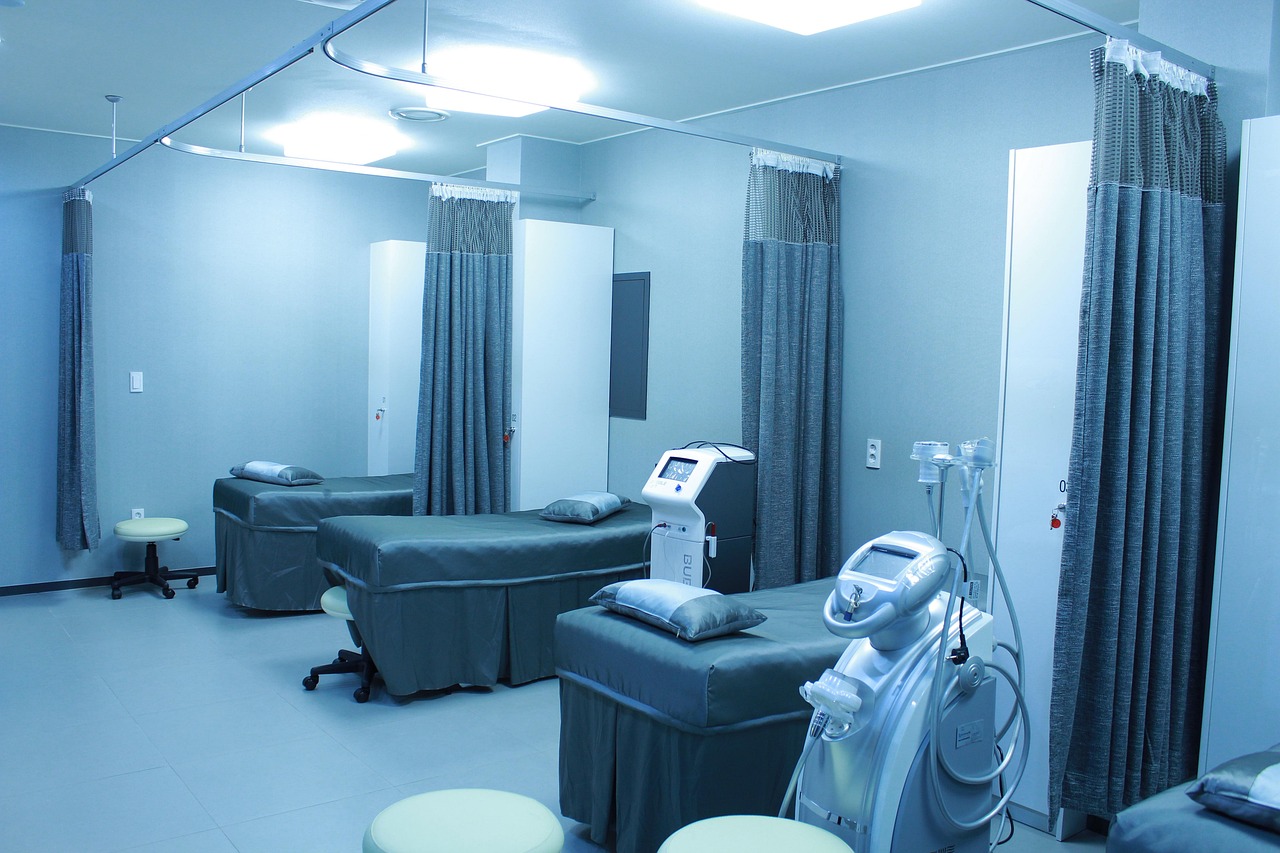
Korea’s Hospital Aftercare System and Its Differences from Overseas Hospitals became something I truly understood when I helped a foreign patient navigate recovery after a medical procedure in Korea. They expected to stay in the hospital longer, receive continuous in-hospital care, and have follow-ups managed differently. But the reality was quite different. Korea’s system focuses heavily on rapid discharge and structured outpatient aftercare rather than extended hospitalization. Today, I will explain how the system actually works and how it differs from what many foreigners are used to.
How Korea’s Hospital Aftercare System Works
In Korea, hospitals are designed to provide intensive treatment during the acute phase of illness or surgery, but not necessarily long-term recovery care within the hospital itself. Once the critical stage is over, patients are usually discharged relatively quickly.
From my experience, this is one of the biggest surprises for foreigners. Even after surgery, patients are often expected to continue recovery outside the hospital, either at home or in specialized facilities.
Follow-up care is typically handled through scheduled outpatient visits. Patients return to the hospital periodically for check-ups, wound care, or additional treatment. This system is highly structured and efficient.
Another key component is the use of rehabilitation centers or nursing facilities for patients who need extended care. These are separate from major hospitals and focus specifically on recovery.
Korea emphasizes fast treatment in hospitals and continued recovery outside of them.
Understanding this structure helps avoid confusion after discharge.
Why Korea Uses a Rapid Discharge Model
The reason behind this system is efficiency and resource management. Hospitals in Korea handle a high volume of patients, and keeping beds available for critical cases is a priority.
From what I have seen, this model allows hospitals to focus on acute care where their resources are most effective. Long-term recovery, which often requires different types of care, is handled in other settings.
Another factor is cost efficiency. Shorter hospital stays reduce overall medical expenses for both patients and the healthcare system. This makes treatment more accessible and manageable.
However, this approach requires patients to take a more active role in their recovery process. This can feel unfamiliar for those used to longer hospital stays.
Rapid discharge is designed to maximize efficiency, not reduce quality of care.
This perspective is important when comparing systems.
Key Differences from Overseas Hospital Systems
One of the biggest differences is the length of hospital stay. In many countries, patients remain hospitalized longer, especially after surgery. In Korea, discharge happens much earlier.
Another difference is the location of aftercare. Overseas systems often provide more in-hospital recovery support, while Korea shifts that responsibility to outpatient services or specialized facilities.
Communication style can also differ. Korean hospitals tend to provide clear schedules for follow-up visits rather than continuous bedside monitoring. Patients are expected to follow these schedules independently.
| Aspect | Korea | Overseas |
|---|---|---|
| Hospital Stay | Shorter | Longer |
| Aftercare Location | Outpatient or separate facilities | Often in-hospital |
| Patient Role | More independent | More supported in-hospital |
These differences can significantly affect patient expectations.
What Foreign Patients Should Prepare For
If you are receiving treatment in Korea, it is important to prepare for early discharge. This means planning your recovery environment in advance, whether at home or in a care facility.
You should also be ready to manage follow-up appointments independently. Keeping track of schedules, medications, and instructions becomes your responsibility.
In some cases, arranging additional support such as a caregiver or rehabilitation service can make the process much smoother. From what I have seen, patients who prepare in advance adapt much better to the system.
Preparation is the key to successfully navigating Korea’s aftercare system.
This reduces stress and improves recovery outcomes.
Long Term Advantages of Korea’s Aftercare Approach
While the system may feel unfamiliar at first, it offers several advantages. Faster discharge reduces hospital-related risks such as infections and allows patients to recover in more comfortable environments.
The structured outpatient system also ensures regular monitoring without requiring long hospital stays. This balance between efficiency and follow-up care is one of the strengths of the system.
Additionally, specialized recovery facilities provide targeted care that may be more appropriate than general hospital environments.
Korea’s system combines efficiency with structured follow-up care for better overall outcomes.
Over time, many patients come to appreciate this approach.
Korea’s Hospital Aftercare System and Its Differences from Overseas Hospitals Final Summary
Korea’s hospital aftercare system focuses on rapid discharge and structured outpatient recovery, which differs significantly from many overseas models that emphasize longer hospital stays. While this approach may require more independence from patients, it offers efficiency, cost benefits, and targeted recovery support. Understanding these differences allows foreign patients to better prepare and adapt, ensuring a smoother recovery experience.
Questions QnA
Why are hospital stays shorter in Korea?
Because the system prioritizes efficiency and focuses on acute treatment rather than long-term hospitalization.
Where does recovery take place after discharge?
Recovery usually happens at home, through outpatient visits, or in specialized care facilities.
Is the quality of care lower due to shorter stays?
No, the system is designed to maintain quality while improving efficiency and accessibility.
What should foreign patients prepare in advance?
They should plan for post-discharge care, follow-up visits, and possible support services.
When I first saw how quickly patients were discharged in Korea, it felt surprising. But after following the full recovery process, I realized the system is designed differently, not poorly. It simply shifts the focus from hospital-based recovery to structured outpatient care. Once you understand that, the entire experience becomes much more predictable and manageable.
Get in Touch
Have questions about your specific situation? Reach out anytime for a personal consultation.
Email: huh0303@gmail.com
관련 글: Don’t Miss Out on Premier Care: The Hidden Risks of Ignoring Korea Medical Tourism Packages (Medical tourism packages Korea) | Comparison of Medical Standards in Korea Japan and Thailand and Actual Treatment Selection Criteria Real Decision Guide | Necessary Insurance Documents and Preparation Methods for Medical Tourism What You Must Prepare Before Traveling